CHILE'S VOLCANIC HEARTLAND

9 Volcanoes. 5 National Parks.
One Epic Region.

Stand at the edge of an active lava lake. Climb through ancient Araucaria forests. Experience the raw power of Earth in Chile's Araucanía Region.

9
Volcanoes
5
National Parks
2847m
Villarrica Summit
Active
Lava Lake

Featured Volcanoes

From active lava lakes to glacier-capped peaks, discover the volcanoes that make Araucanía legendary.
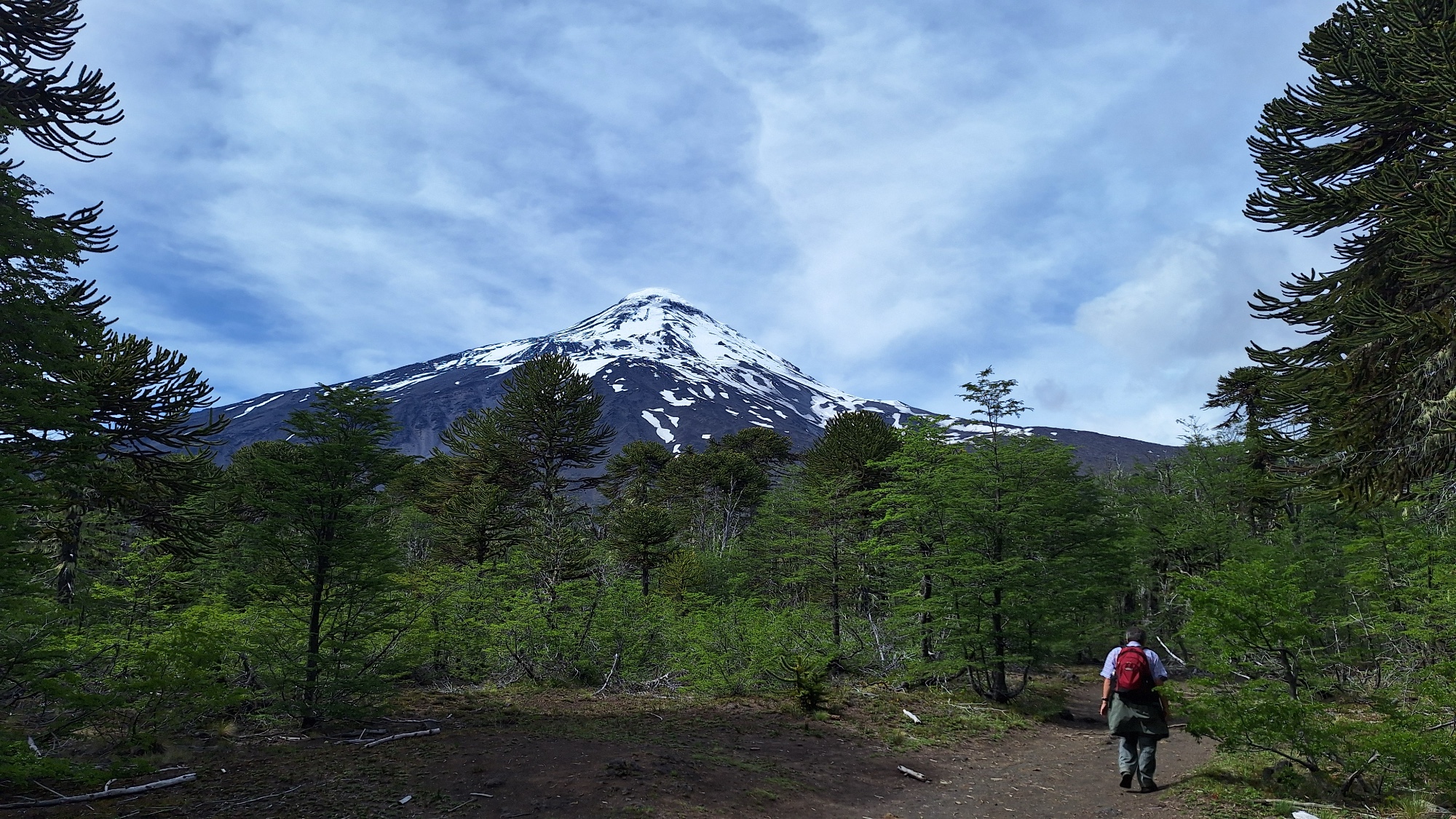
Lanín
Hard
⛰️ 3776m

Lanín

Araucanía

Challenging: Hard • 1 National Park

**Lanín Volcano**, towering at **3,776 meters**, is an iconic symmetrical stratovolcano that straddles the Chile-Argenti...
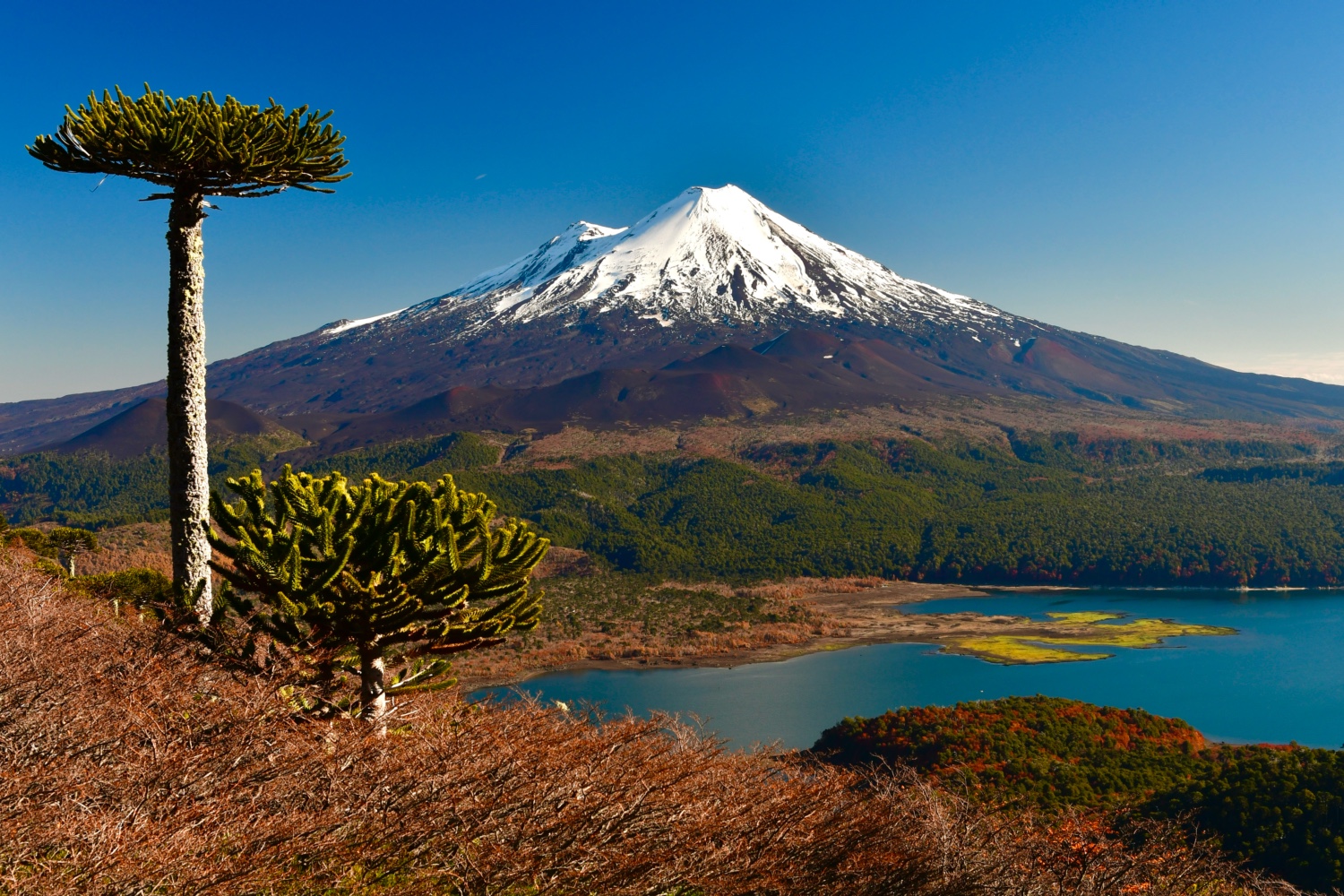
Explore Volcano
Llaima
Expert
⛰️ 3125m

Llaima

Araucanía

Challenging: Expert • 2 National Park

**Llaima** is one of Chile's largest and **most active volcanoes**, standing at an impressive **3,125 meters** within [C...
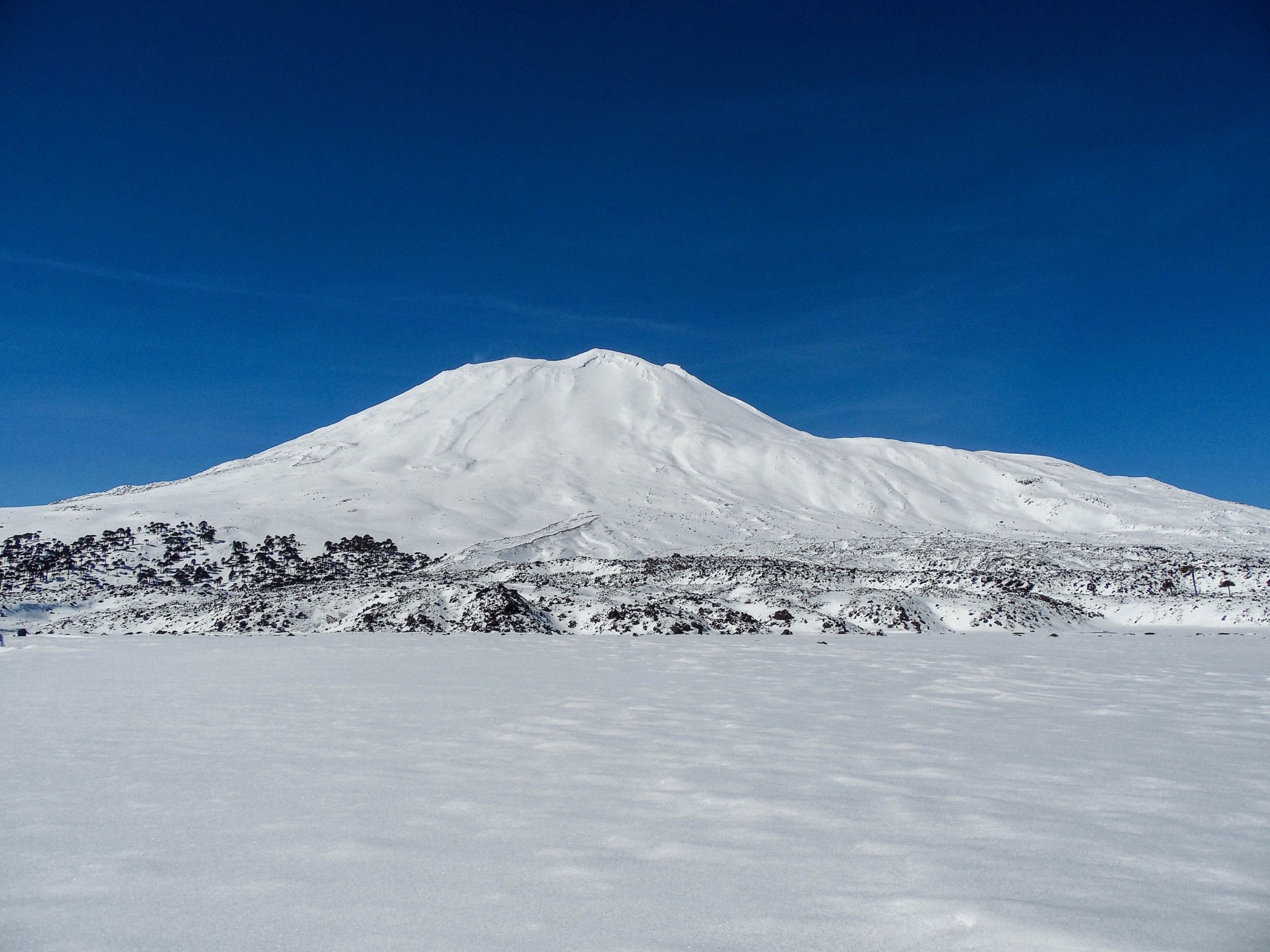
Explore Volcano
Lonquimay
Moderate
⛰️ 2865m

Lonquimay

Araucanía

Challenging: Moderate • 3 National Park

Lonquimay Volcano gained international fame during its remarkable 1988-1990 eruption when a new crater formed on its fla...

Explore Volcano

Why Araucanía?

This isn't Torres del Paine. This is Chile's volcanic playground — raw, active, and epic.

Active Craters

Stand at the edge of Villarrica's lava lake and feel the heat of the Earth beneath your feet.

5 National Parks

Ancient Araucaria forests, turquoise lakes, and volcanic landscapes as far as the eye can see.

Expert Guides

Local specialists who know these mountains like the back of their hand. Safety first, adventure always.

Planning Your Trip

What is the best volcano to climb in Chile's Araucanía Region?

Villarrica Volcano is the most popular climb, offering a challenging but accessible ascent to an active lava lake. For beginners, Sierra Nevada offers easier routes, while experienced climbers should consider Llaima or Lonquimay for more technical challenges.

When is the best time to visit the Araucanía Region?

The best time for volcano climbing is during the Chilean summer (December-March) when weather is more stable. Winter (June-September) offers excellent skiing on volcanic slopes but requires advanced mountaineering skills for summit attempts.

Do I need a guide to climb volcanoes in Chile?

While not legally required, hiring a certified guide is strongly recommended for safety. Active volcanoes present unique hazards including sudden weather changes, volcanic gases, and unstable terrain. Local guides know current conditions and safe routes.

How do I get to the Araucanía Region?

Fly into Temuco (ZCO) or Pucón's smaller airfield. From Santiago, it's about a 10-hour drive or 1.5-hour flight. Most visitors base themselves in Pucón or Temuco and arrange day trips or multi-day expeditions to the volcanoes and parks.

Ready to Explore?

Browse tours, connect with expert operators, and start planning your volcanic adventure.

Explore All Volcanoes

Navigate the volcanic chain of La Araucanía. Click on any volcano marker to view details and start planning your adventure.